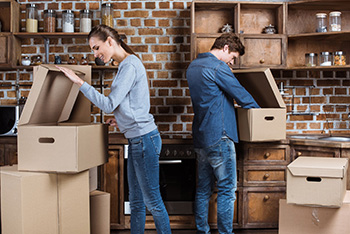
 In most homes, the kitchen is the most complicated space to pack. Most rooms, it is simple enough to bring in a bunch of boxes and pack everything into them until it’s all packed up. The natural organization of the space makes it easy to sort the box contents. The kitchen, however, requires a special procedure for every kind of item. Even if you have moved several times and have become a practiced pro at wrapping glassware and stacking paper between platters and serving bowls, there is always that one nagging question: What should you do about the foodstuffs that is in your cupboard and refrigerator?
It would be reckless to trash, it's many times hard to determine the best process to manage these pantry leftovers.
When to Pack Your Pantry
Packing your pantry is only a sound idea some of the time. The most important aspects to ponder are the distance from origin to destination, the safety of the food items, and the expiration dates. If you are only moving a rather short distance, you can pack everything that will transport neatly because there is very little time that will lapse or risk of spoilage. For interstate moves, on the other hand, take a look at expiration dates and only move food with more than six months before the item expires. Non-glass spice jars and unopened things can be packed but open canisters and bags should be set aside. You may also want to weigh in your mind the cost of moving cheap canned goods when added to a long distance move.
Packing a No-Spills Pantry Box
Once you have sorted out the items from your pantry that you are going to move, commence getting your boxes ready. Plastic boxes with sealing lids are ideal for food storage because cans can become too cumbersome for cardboard and plastic will deter insect infestation. Keep your pantry box as neat and snuggly packed as possible to evade unearthing a mess when you get to your destination in Dallas.
Place the bulkiest items on the bottom and line up any squared-off or boxed items snuggly against each other. Use Zip-lock bags and Tupperware to seal open items of food or ingredients. If you find it useful, use dividers made of plastic or a pieces of cardboard box to to make sure everything is upright and secure. Designate the box as delicate so there is no confusion with your movers when they load it into the moving van. If only nonperishable containers are in your pantry box and all items are sealed, it should be okay to transport with the remainder of the boxes, but it’s definitely a smart idea to double check with your moving company about what can and cannot be loaded in the moving truck.
What About the Fridge?
The first point to think about is that foodstuffs in the refrigerator can and will go bad if they are not taken care of correctly. For the most part, refrigerator items are only moved if the move requires less than 2 hours of driving. But, it is reasonable to not want to pitch your collection of freezer resources and any leftover edibles on moving day, but you will have to move it yourself. Moving companies don’t take food that can spoil.
To move your icebox things, first, make positive the fridge and freezer at the new location are turned on and cooling properly. Then, it will be acceptable to pack up your refrigerator and freezer foods into a big ice chest that is about half-filled with ice. Drive the items over to the new house, put in the fridge, and enjoy not having to go grocery shopping on moving day.
Donating Your Pantry Goods
 Finally, there’s the issue of how to manage any items you can't or don't choose to move with you. There are numerous charities that will be glad to take the extra food off your hands and get it onto the plates of those who don’t have enough. Food donation is a critical variety of local charity, so no matter if you have a few containers of Rice-a-Roni or a whole pantry full of non-perishables, think about donating what you don’t need or cannot take to your new residence. A-1 Freeman Moving Group proudly participates in Move for Hunger, a non-profit organization that works with moving companies to collect non-perishable food items, and deliver them to food banks across the country. Click here or on the picture above to learn more!
Every person moving from home to home has something left in their cupboard, even if you attempted to use up everything. Understanding when to pack, which items can be packed, and when to donate is a vital portion of the moving process. With the correct tactics, you can arrive to your new home in Dallas with the maximum number of safely packed non-perishable foodstuffs and a tranquil feeling having donated the extra to those who can benefit most from it.